
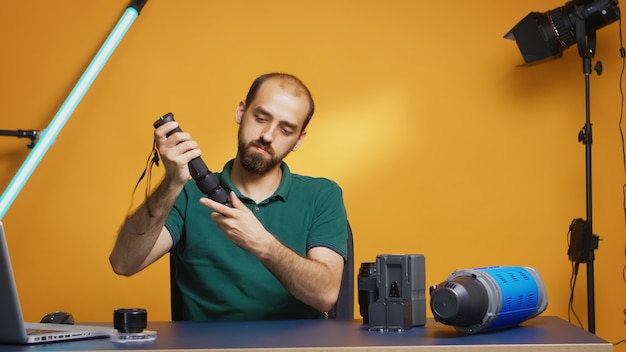
The creator economy’s transition from cottage industry to established commercial sector has been both rapid and structurally significant. The platforms that once hosted creator content as a means of driving audience engagement have invested heavily in tools, monetisation frameworks, and partnership programmes designed to retain the creators who drive that engagement. The creators themselves have professionalised accordingly, building teams, diversifying revenue streams, and approaching brand partnerships with the sophistication of established media businesses.
For brands, this maturation has important implications. The transactional, campaign-by-campaign approach to creator partnerships that characterised the early years of influencer marketing is increasingly inadequate for a market that has grown considerably more complex and considerably more competitive. The creators worth working with have options. Securing the best partnerships now requires a more strategic, relationship-driven approach.
The professionalisation of the creator
The most commercially significant creators operating in 2026 are running genuine media businesses. Many employ production teams, editors, strategists, and account managers. They have developed distinct brand identities, proprietary formats, and loyal audience relationships that have been built and maintained over years of consistent output. They understand their audience metrics, their engagement patterns, and their commercial value with a clarity that matches or exceeds that of many traditional media brands.
This professionalisation has raised the bar for brand partnership quality on both sides of the relationship. Creators who have invested significantly in their audience relationships are protective of them. They scrutinise partnership proposals carefully, decline work that feels misaligned with their positioning, and push back on briefs that would require them to produce content their audiences would find inauthentic. Brands that approach these relationships without genuine respect for the creator’s editorial judgement will find the best creators unavailable to them.
The most productive creator-brand relationships in the current market are genuinely collaborative. Brands bring commercial objectives, audience insights, and product knowledge. Creators bring audience understanding, format expertise, and authentic voice. When both parties contribute what they do best, the resulting content serves both the brand’s objectives and the creator’s audience relationship simultaneously. That alignment is the foundation of work that actually performs.
Revenue diversification and what it means for brand access
Creator revenue has diversified considerably beyond platform advertising shares. Subscription models, digital products, live events, merchandise, licensed content, and long-term brand ambassadorships all contribute to the income of established creators. This diversification has reduced creator dependency on any single revenue stream and, by extension, reduced the leverage that platforms and brands can exert over creator behaviour.
For brands, this context reinforces the value of long-term partnership thinking. Creators who have multiple revenue streams are less likely to accept partnerships that compromise their positioning for short-term financial gain. They can afford to be selective. Brands that offer genuine alignment, reasonable creative latitude, and fair commercial terms will consistently access better creators than those that approach partnerships purely as transactional media buys.
The emergence of creator funds, talent agencies, and dedicated influencer marketing platforms has added further structural complexity to the market. Brands working with creators represented by agencies or collectives need to factor those intermediaries into their relationship and negotiation strategies. The upside is that professional representation often means more reliable delivery, clearer usage rights, and more sophisticated performance reporting. The additional layer of relationship management is a reasonable price for that reliability.
Where the creator economy goes next
Several trends are shaping the next phase of creator economy development. AI content tools are increasing production efficiency but also raising the stakes for authenticity, as audiences become more adept at identifying content that lacks a genuine human perspective. Platforms are competing aggressively for creator attention and exclusivity, which is creating new dynamics around content distribution and audience ownership. Social commerce is shortening the path between content consumption and purchase, making creator content a more directly attributable commercial channel than it has ever been.
The brands that will navigate this environment most effectively are those that treat creator partnerships as a strategic capability rather than a tactical channel. Building the internal expertise, external relationships, and operational infrastructure to work with creators at scale and quality takes time. The organisations investing in that capability now are building a competitive advantage that will compound as the creator economy continues to mature.
For brands and business leaders looking to build a credible presence in this space, Execfluence works with organisations to develop influencer marketing strategies, social media content programmes, and business influencer positioning that deliver measurable commercial results. The team at Execfluence brings together expertise in creator partnerships, platform strategy, and B2B influence to help clients build authority and audience at pace.